

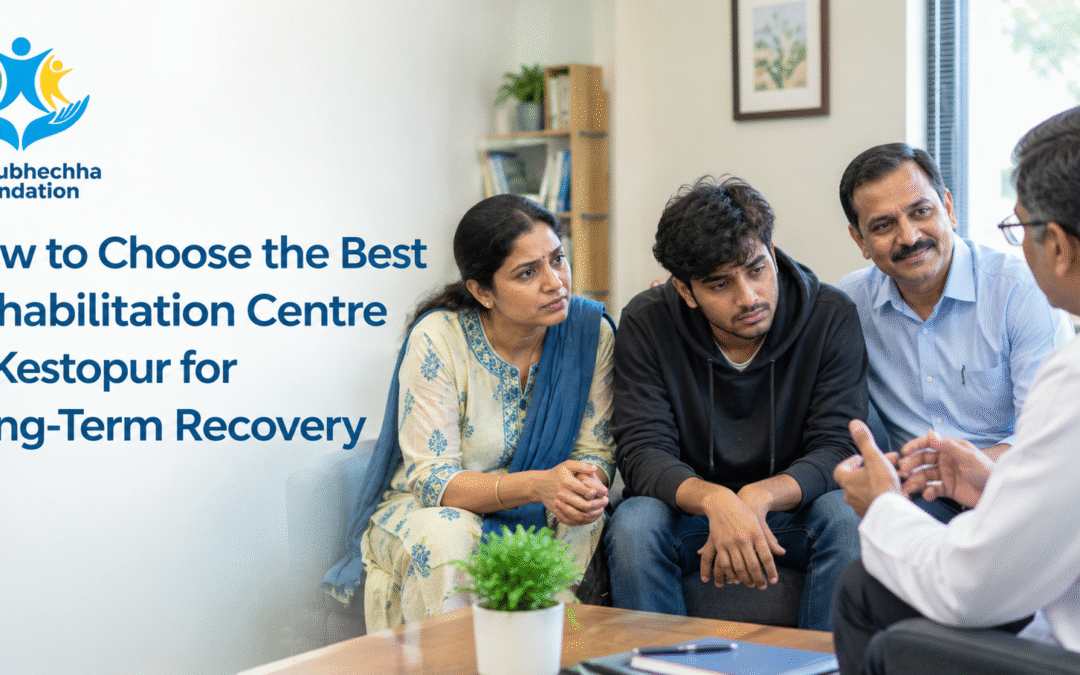
Choosing a rehabilitation centre for yourself or someone you care about is a decision that deserves time, patience and careful consideration. When mental health challenges, emotional difficulties or substance dependence begin affecting everyday life, families often look for a place where professional support and a stable Atmosphere can help the person work towards recovery.
For families searching for a rehabilitation centre in Kestopur, proximity to home may be important, but it should not be the only deciding factor. The quality of professional care, suitability of the treatment programme, safety arrangements and plans for continued support all deserve attention.
Here are the key things to check before choosing a rehabilitation centre in Kestopur or near New Town, Kolkata.
1. Understand the Type of Rehabilitation Required
Not every rehabilitation centre provides the same type of care. Some focus on mental health conditions, while others specialise in alcohol or drug dependence. Certain individuals may need coordinated psychiatric care, counselling and structured residential support.
Before comparing centres, consider the person’s current difficulties, daily functioning and professional care needs.
Ask yourself:
Is the main concern a mental health condition, substance dependence or a combination of challenges?
Has the person received a psychiatric or medical assessment?
Is residential rehabilitation necessary, or could outpatient support be appropriate?
Does the centre offer services suited to the person’s individual circumstances?
The right starting point is an assessment by an appropriately qualified healthcare professional. A rehabilitation programme should match the person’s needs rather than follow a one-size-fits-all approach.
2. Check the Qualifications and Involvement of Professionals
Professional supervision is an important consideration when choosing a mental health rehabilitation centre in Kestopur.
Ask who conducts assessments, develops treatment plans, manages medication and provides counselling. Find out which professionals are available, how responsibilities are divided and what happens if a patient’s condition changes.
You should also ask about the centre’s emergency procedures and how it coordinates care when additional medical attention is needed.
A responsible provider should explain its approach clearly and answer reasonable questions about staff qualifications and clinical oversight. Families should be able to understand who is responsible for different aspects of care.
3. Check Safety, Supervision and the Living Atmosphere
A rehabilitation setting should support dignity, privacy and personal safety. If residential care is being considered, arrange a visit where possible and ask to understand the living arrangements.
Consider checking:
Whether the Atmosphere is clean and appropriately maintained.
How patient privacy and confidentiality are protected.
How supervision is organised throughout the day and night.
What procedures are followed during a medical or psychiatric emergency.
How patients are treated when they feel distressed or need assistance.
Whether the admission process respects applicable legal requirements and patient rights.
Do not rely on photographs or promotional claims alone. Ask specific questions and request clear explanations about the arrangements that matter most to your family.
4. Look for Individualised Treatment and Counselling
Recovery is rarely identical for two people. Their personal history, symptoms, circumstances and goals may differ significantly.
Ask whether the centre develops an individual care plan after assessment and reviews it as needs change. Depending on the person’s situation, appropriate support may involve psychiatric consultation, medication management, individual counselling, group sessions or behavioural interventions.
The Subhechha Foundation’s website describes rehabilitation support alongside psychiatric monitoring, counselling, behavioural therapy and life-skills development.
You can learn more about the services offered through its rehabilitation centre in Kestopur.
Before admission, confirm which services are appropriate and available for the individual, how frequently they are provided and who oversees their care.
5. Ask About Daily Routines and Life Skills
A structured routine can provide predictability during rehabilitation. However, the routine should be appropriate for the person’s health, abilities and treatment goals.
Ask what a typical day looks like. Find out how the programme balances professional appointments, therapeutic activities, meals, rest, personal time and opportunities to develop everyday skills.
For individuals recovering from addiction or significant mental health difficulties, practical skills and coping strategies may be relevant to life beyond residential care.
The important question is not simply whether a centre follows a strict timetable. It is whether the daily programme supports the person’s individual recovery goals in a respectful and clinically appropriate way.
6. Understand Family Support and Communication
When a family member enters rehabilitation, relatives may feel worried, uncertain or unsure how to help. Clear communication can make the process easier to understand.
Before choosing a centre, ask:
How can family members receive appropriate updates?
Are family counselling or guidance sessions available?
What are the arrangements for visits and communication?
How can relatives support recovery without creating unnecessary pressure?
What guidance is provided before the person returns home?
Confidentiality and patient rights must remain central. Family involvement should be handled appropriately, with consent and in accordance with applicable requirements.
The Subhechha Foundation describes a family-focused approach to rehabilitation. Families can discuss the available arrangements directly with its team before making a decision.
7. Compare Costs, Admission Terms and Service Inclusions
Cost matters, particularly when care may continue over an extended period. However, the lowest quoted fee does not necessarily represent the most suitable option.
Ask for a clear explanation of the expected charges and what they cover. Depending on the provider, relevant questions may include accommodation, consultations, medication, counselling, investigations, additional medical care and discharge planning.
Also clarify:
Whether any deposit is required.
How additional expenses are communicated.
What the admission and discharge procedures involve.
Whether there are written terms explaining fees and services.
How changes to the treatment plan may affect costs.
Do not assume that every service is included in a package. Request written clarification before agreeing to admission.
8. Prioritise Long-Term Recovery and Follow-Up Care
A rehabilitation programme should consider what happens after the immediate period of care, not only what happens during admission.
Ask how progress is reviewed and how the care team decides when a person may be ready for a different level of support. Where appropriate, planning may include follow-up consultations, counselling, coping strategies, family guidance and relapse-prevention support.
Recovery can involve setbacks as well as progress. No centre should guarantee a permanent outcome or promise that a person will recover within a fixed period.
Instead, look for realistic communication, measurable individual goals and a clear explanation of the next steps. These details help families make an informed decision and prepare for continuing support.
Why Consider The Subhechha Foundation in Kestopur?
The Subhechha Foundation provides mental health and rehabilitation services in Kestopur, near New Town, Kolkata. Its website describes support that includes psychiatric consultation, counselling, rehabilitation and de-addiction services.
Its rehabilitation service information also discusses supervised care, individual and group counselling, behavioural support, life-skills development and family involvement.
The centre is located at Adarshapally Road, Sulanggari, Hatiara, Kestopur, Kolkata – 700162.
If you are comparing a rehabilitation centre in Kestopur with other options in North Kolkata, you can contact the team to understand the available services, admission process and suitability of care for your particular circumstances.
Choosing a provider should always involve direct discussion with qualified professionals rather than relying solely on online descriptions.
Conclusion
Finding an appropriate rehabilitation centre involves more than comparing locations or reading reviews. Families should look carefully at professional qualifications, patient safety, treatment suitability, counselling, communication, costs and plans for continuing care.
For those exploring rehabilitation options in Kestopur near New Town, The Subhechha Foundation offers an opportunity to discuss mental health and rehabilitation support with its team.
Take time to ask questions, understand the available programme and consider the person’s preferences and needs. A well-informed decision can help establish a clearer, more supportive path towards recovery.